
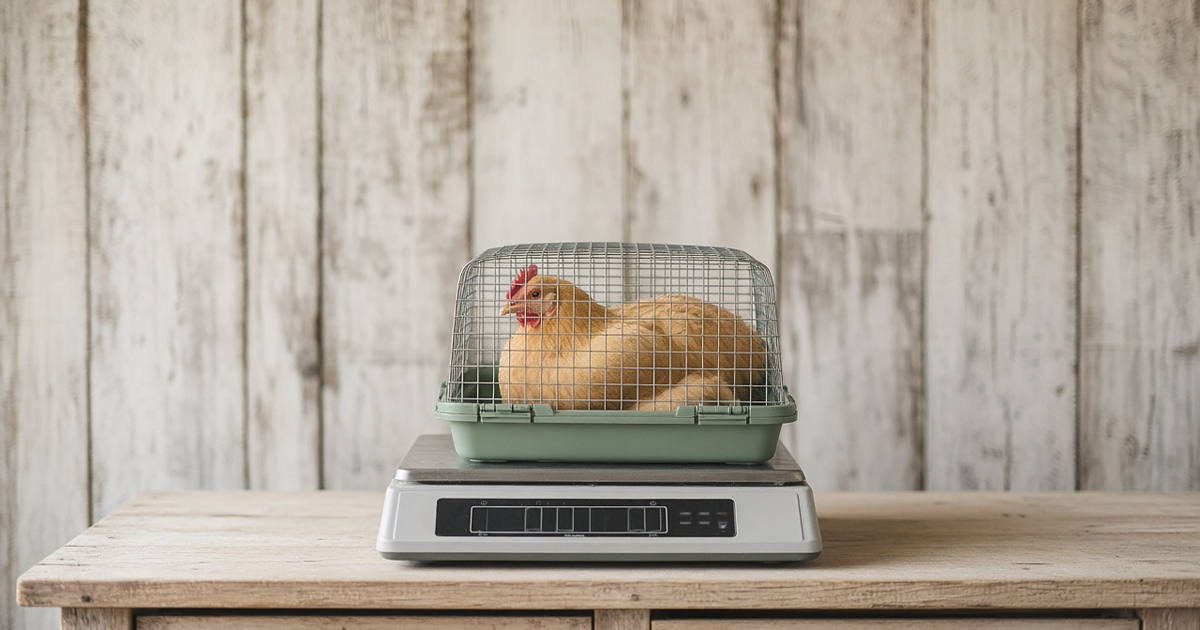
If you are staring at a bottle of chicken Safe-Guard (AquaSol) and trying to remember “the dosage per gallon,” stop. The short answer is on the FDA label, and it is not a gallon guess: it is milligrams per kilogram of body weight, for five days in a row, mixed into fresh drinking water each day. Without a weight, you are guessing. Guessing is how people underdose, overdose, or treat the wrong problem.
This page is a decision tree and a label card, not a diagnosis. I am not a vet. For treatment choices, fecal tests, egg or meat questions beyond what the label says, and anything that feels off-label, talk to a poultry vet or your state diagnostic lab. Product rules also differ by state.
Tracy’s take
I’d rather buy a $15 kitchen scale and write five dates on a sticky note than copy a forum “per gallon” recipe with no bird weights on it. The DailyMed label is the map. A fecal through a lab is the second-smartest tool. Everything else is a side road.
When to suspect worms (and when it might be something else)
The Extension poultry team’s internal parasites page (Dr. Jacquie Jacob, University of Kentucky) lists common clinical signs of a parasite load: unthriftiness, poor growth and feed conversion, decreased egg production, and in severe cases, death. Parasites can also make a flock more susceptible to other disease.
Plain and simple, those signs overlap with mites, molt, poor feed, and a dozen other problems. Seeing a pale comb or a drop in eggs is a reason to investigate, not a reason to dose the waterer tonight from memory.
Signs that push you toward worms (or a fecal)
- Visible worms in droppings or in an egg. Large roundworms (Ascaridia) are thick as a pencil lead and can reach about 4-1/2 inches, according to the Extension poultry page. Occasionally one migrates into a developing egg.
- Diarrhea, thin birds, or birds that eat well but look dull, especially if several birds look off at once.
- A known history (new birds added without quarantine, shared range with other flocks, heavy earthworm or beetle access if your vet has named those as intermediate hosts for a specific worm).
- A lab fecal or necropsy that already named a worm species.
Signs that should slow you down
- Itching, vent dirt, pale birds at night restlessness: check mites and lice first (see the mites vs lice decision tree). Internal dewormers do not treat external parasites.
- Feathers on the floor, bleeding backs: that is flock drama or molt until proven otherwise, not a worm calendar.
- “Everyone deworms every fall” with no signs and no fecal: calendar worming without a reason is how resistance builds. The Safe-Guard AquaSol label itself warns that parasite resistance may develop to any dewormer and that effectiveness should be monitored after use.
When a fecal or lab comes first
Talk to a poultry vet or your state diagnostic lab before you treat if any of these are true:
- You are not sure what you are treating. Capillary worms, cecal worms, tapeworms and roundworms are not the same problem. The Extension poultry page notes that approved medications are limited and that piperazine (when labeled for poultry) targets large roundworms but is not effective against other internal parasites of poultry. Tapeworms have no approved medications listed on that page; control focuses on intermediate hosts.
- Birds are dying, very weak, or not eating. Treat the emergency as a medical case, not a DIY water med night.
- You only have cattle paste, horse paste, or “a little ivermectin left.” Those are not the AquaSol label. Ivermectin is not approved for poultry (same stance as on the mites post). Do not invent a dose from a forum.
- Your flock is tiny and the product presentation cannot measure accurately. The DailyMed label for the 3 mL Safe-Guard AquaSol vial says it should not be used for flocks with a total body weight of less than 22 lbs because accurate doses cannot be measured for those flocks. That is a label limit, not a suggestion. Ask a vet about an appropriate product and presentation for a very small backyard flock.
A fecal egg count does not catch every parasite perfectly, and a negative does not always mean “never worms.” It still beats dosing by vibes. Ask the lab what sample they want (fresh droppings, how many birds, refrigerated vs room temp).
The decision tree
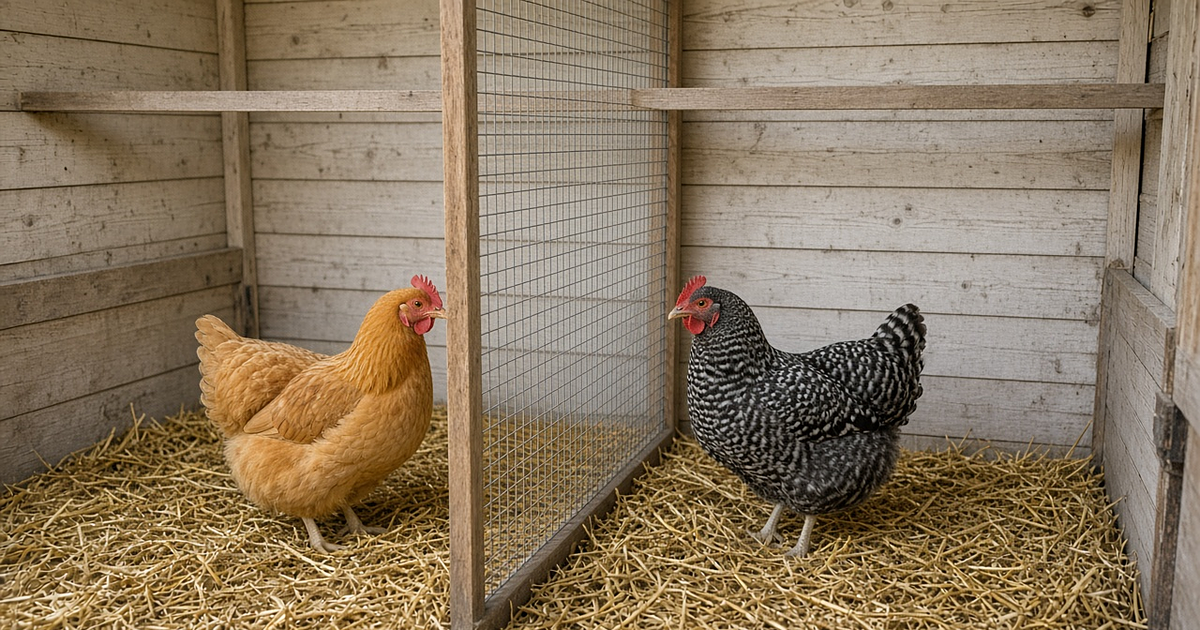
- Birds look fine, no fecal, no history: do not deworm “just in case.” Improve litter, reduce wild-bird and rodent access, and quarantine new birds about 30 days when you can.
- You saw worms, or a lab named Ascaridia galli / Heterakis gallinarum: a poultry-labeled product that matches those indications may be appropriate. Safe-Guard AquaSol’s DailyMed label covers adult A. galli in broilers and replacement chickens, and adult A. galli and H. gallinarum in breeding chickens and laying hens. Confirm with your vet that this matches your case.
- Lab named something else (capillaria, tapeworm, coccidia, etc.): stop. AquaSol’s chicken indications on DailyMed are specific. Ask the vet or lab what is labeled for that finding. Do not stretch the AquaSol card to cover every parasite name on the internet.
- You have AquaSol in hand and a matching indication: weigh the flock (next section), then follow the DailyMed label card below for five consecutive days. Prepare medicated water fresh each day.
- After day 5: write down dates, product, total flock weight used, and how birds looked. The label notes that resistance can develop and that you should monitor whether treatment worked. Recheck with your vet or lab if birds do not improve.
Tonight plan (before you open the bottle)
- Write the problem down: which birds, what you saw (worms? diarrhea? egg with a worm?), how long, any new birds.
- Rule out mites: quick vent check in daylight; night crack check if birds are restless but clean by day.
- Call or email for a fecal if you are unsure. A state diagnostic lab or poultry vet can tell you how to submit droppings.
- Find a scale: kitchen scale that reads in pounds or grams, or a luggage scale with a crate. Borrow one tonight if you have to.
- Read the current label on your bottle and on FDA DailyMed for Safe-Guard AquaSol. Labels update. This page is a reading aid, not a substitute for your package insert.
Not on the list: dosing from a screenshot of a forum thread titled “per gallon.”
How to weigh backyard hens (yes, without a livestock scale)
The AquaSol label doses by total body weight of the group being treated. Forum advice that skips weight is skipping the label. You do not need a farm scale. You need a number you trust.
Method A: kitchen scale + carrier (best for most city flocks)
- Zero the scale with an empty pet carrier, laundry basket, or cardboard box on it (or weigh the empty carrier and write that number down).
- Put one calm hen in the carrier, close it, and weigh. Subtract the empty weight. Write her weight in pounds or kilograms.
- Repeat for every bird that will drink the medicated water. Add the weights. That sum is your flock weight for the label table.
- Do it in the evening when birds are quieter, or have a second person. Soft towel over the carrier helps some hens settle. Work in a small enclosed space so a spooked bird cannot bolt into the road.
Method B: luggage scale + crate
Hang a small crate or sturdy bag from a luggage scale, tare or subtract the empty weight, then weigh birds one at a time or a few together if the scale capacity allows. Same rule: total weight of every bird that will have access to the medicated water.
Pitfalls readers hit (and how to avoid them)
- “I do not know their weight and there are 5 of them.” That is exactly when people invent a gallon dose. Five birds still get five (or more) weigh-ins, or one group weigh if your setup allows. Guessing breed averages from a chart is still a guess.
- Weighing once years ago. Hens change with molt, season and age. Weigh within a day or two of treatment.
- Leaving one bird on other water. The DailyMed directions say during treatment all birds must have unrestricted access to the medicated water and no access to other sources of water. A sneaky puddle or second waterer breaks the dose.
- Using the 3 mL vial on a flock under 22 lbs total. DailyMed states accurate doses cannot be measured for those flocks with that presentation. Do not “just use a dab.” Ask a vet.
- Mixing units. The label states 1 mg/kg body weight per day (0.454 mg/lb). Pick kg or lb and stay consistent when you read the mixing tables on the insert.
Safe-Guard AquaSol label card (from FDA DailyMed only)
Source: DailyMed, Safe-Guard AquaSol (fenbendazole oral suspension), NADA # 141-449. Updated labeling on DailyMed as of the November 2024 versions linked there. Always re-read your bottle and the live DailyMed page before you mix.
The number that matters
1 mg fenbendazole per kg body weight per day (0.454 mg/lb), for 5 consecutive days, given in drinking water. Concentration on the product: 200 mg fenbendazole/mL. Medicated water must be prepared daily prior to each administration. Source: FDA DailyMed label for Safe-Guard AquaSol.
When used according to labeling, no withdrawal period is required (DailyMed). That statement applies only to labeled use. It is not permission to invent a different dose or schedule.
What it is indicated for (chickens)
Per DailyMed: treatment and control of adult Ascaridia galli in broiler chickens and replacement chickens, and treatment and control of adult A. galli and Heterakis gallinarum in breeding chickens and laying hens.
The label also says: consult your veterinarian for assistance in the diagnosis, treatment, and control of parasitism.
How the label wants you to mix (backyard reading of DailyMed steps)
- Step 1: Estimate (really: measure) the total weight of the entire group of chickens to be treated. DailyMed notes one 3 mL vial treats a flock with total body weight up to 264 lbs for 5 consecutive days, and the 3 mL presentation should not be used for flocks under 22 lbs total.
- Step 2: Use the water-volume table on the label for your flock-weight band (examples on DailyMed: 22 to 55 lbs → 4 cups / 0.9 L of water; 56 to 110 lbs → 8 cups / 1.9 L; and so on up through larger bands). Use a clean mixing container.
- Step 3: Use the product-volume table on the label for one day (the full course is five days). DailyMed walks through agitating the vial about 10 seconds, using only the syringe supplied by Merck Animal Health, clearing air bubbles, and dispensing into the measured water without submerging the syringe. Mix until uniformly hazy.
- Each treatment day: empty all waterers before adding medicated water. Offer it first thing in the morning at peak drinking. Split evenly if you have more than one waterer. Birds need unrestricted access to that medicated water and no other water until it is gone, then non-medicated water again. Ensure the medicated water is fully consumed. Use medicated water within 24 hours.
Larger bottle sizes (DailyMed lists 1,000 mL and 1 gallon presentations in addition to 3 mL) exist for bigger flocks. Follow the insert that matches the bottle you bought.
Safety notes on the same label
- Not for use in humans. Keep out of reach of children. DailyMed advises protective gloves and care to avoid skin and eye exposure and accidental ingestion.
- Storage: room temperature per label; do not freeze; use within 6 months after opening; use medicated water within 24 hours.
- Resistance warning: parasite resistance may develop; accurate dosing matters; monitor effectiveness after treatment.
- California: Restricted Drug; use only as directed (stated on DailyMed principal display panel text).
What not to do
Skip this
- Guessing a “per gallon” dose with no flock weight. The DailyMed dose is mg/kg/day for 5 days, not a folklore gallon recipe. Underdosing feeds resistance; overdosing is still misuse.
- Cattle or goat fenbendazole paste math from a forum. Different product, different concentration, different species labeling. This page only cards AquaSol from DailyMed.
- Random ivermectin (pour-on, injectable leftovers, horse paste). Ivermectin is not approved for poultry. This site will not give an ivermectin dose. If a thread hands you one, that is a red flag. Ask a poultry vet.
- One-day treatment because the birds “look better.” The labeled course is five consecutive days with fresh mix each day.
- Treating mites with AquaSol, or worms with a poultry dust. Wrong problem, wrong tool.
- Stretching the 3 mL vial below the 22 lb flock minimum. DailyMed says accurate doses cannot be measured. Call a vet.
Common mistakes (so you can skip the long way)
- Buying “the chicken dewormer” and never opening the insert. The mixing tables are the product.
- Leaving a second waterer up “so they have a choice.” That breaks labeled administration.
- Treating only the one bird you saw a worm in, while the whole flock shares the run. Your vet may still want a flock plan; do not freelance a half-dose in one dish.
- Skipping the record. Date, product, lot if you have it, total weight used, and bird IDs help the next vet call.
- Assuming every worm name on a forum equals AquaSol. Match the indication. When in doubt, lab first.
When to call a poultry vet or the lab
- Birds are weak, not eating, or dying.
- You need a product that is not clearly labeled for your species and indication.
- Your flock is under the measurable weight for the presentation you own.
- You want a fecal before (or after) treatment.
- You were told to use something extralabel (including ivermectin). Extralabel drug use is a veterinarian decision, not a forum one.
Start with a poultry vet if you can find one, or your state veterinary diagnostic lab. For sudden deaths or nervous or respiratory signs in several birds, follow USDA Defend the Flock guidance and your state veterinarian’s reporting rules.
FAQ
Is Safe-Guard AquaSol the same as cattle Safe-Guard paste?
No. AquaSol is a fenbendazole oral suspension for drinking water with its own NADA and chicken (and swine) directions on DailyMed. Paste products are different presentations. Do not convert a paste syringe using a forum spreadsheet on this site’s behalf. Use the AquaSol label, or ask a vet.
Do I have to stop eating eggs?
DailyMed states: no withdrawal period is required when used according to labeling for chickens. That is the labeled statement. It does not cover off-label schedules or other fenbendazole products. If your use is anything other than the labeled AquaSol course, ask a poultry vet.
Can I dose by “teaspoon per gallon”?
Not from this page, and not from the DailyMed card above. The label uses flock weight bands, a supplied syringe, and mg/kg/day. Teaspoon-per-gallon shortcuts are how the “I can’t remember the dosage per gallon” spiral starts.
What about piperazine or other dewormers?
The Extension poultry internal parasites page notes that piperazine products may be available against large roundworms but are not effective against other internal parasites of poultry, and that you should check the FDA Green Book for currently approved medication and always read dose and withdrawal on the label you hold. This post does not invent doses for those products.
Are worms related to mites?
Different parasites, different tools. Keepers often search both in the same week (mites, lice and worms showed up together in our reader research). Treat the problem you have. For mites and lice, start with the mites vs lice vent-check decision tree.
Featured image: illustrative (AI-generated).
Leave a Reply