Cluck, cluck, cluck! If you’re a proud owner of backyard chickens, you know that these feathered friends can bring so much joy to your life. They give you fresh eggs, help control pests in your garden, and are great companions. However, with all the perks of keeping chickens, there are also downsides. One of the biggest issues that chicken owners face is predators. From raccoons to hawks, there are many animals that would love to make a meal out of your chickens. In this blog post, we’ll cover some of the most common chicken predators and how you can keep your flock safe.
Chicken Predators
When it comes to raising backyard chickens, there are many potential dangers that you need to be aware of. One of the biggest threats to your chickens is predators. Chickens are easy prey for many animals, so it’s important to take steps to protect your flock.
It’s important to note that predators can vary depending on where you live. For example, if you live in an urban area, you may be more likely to deal with rats and raccoons, while those in rural areas may face more threats from coyotes and foxes. No matter where you live, it’s important to know what predators you may be up against so you can take appropriate measures to protect your chickens.
Common Chicken Predators
Let’s take a look at some of the most common chicken predators:
Raccoons
Raccoons are notorious for attacking chickens, and for good reason. These intelligent animals are very skilled at getting into coops and can easily kill multiple chickens in one night. Raccoons will often go for the head or neck, leaving a messy scene behind.
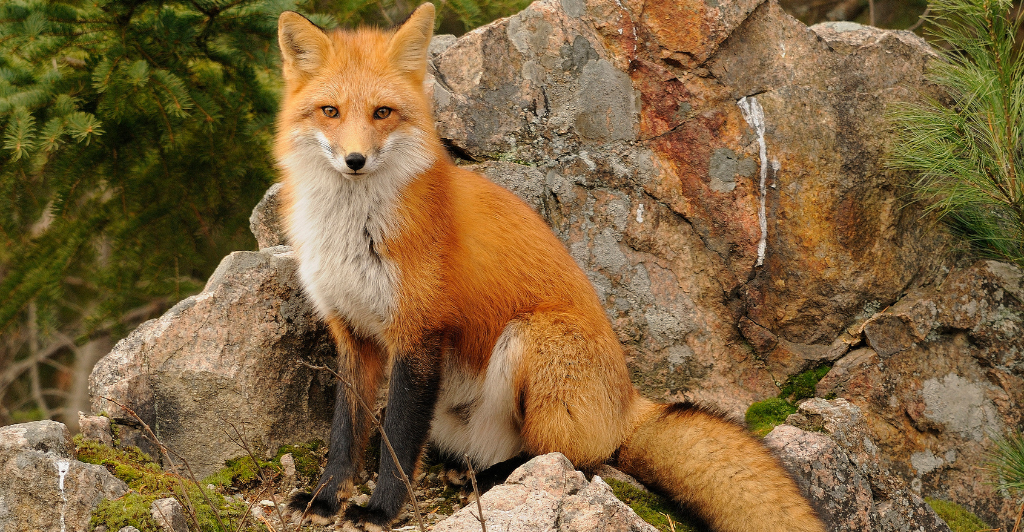
Foxes
Foxes are another common predator of chickens, and they can be very sneaky. They are known to dig under fences to get into chicken runs and will kill multiple birds at once. Foxes are most active at night, so it’s important to secure your coop and run before sundown.
Hawks
Hawks are birds of prey that can swoop down and snatch a chicken from your yard. They are especially dangerous for smaller chickens and bantams. If you have hawks in your area, it’s important to provide your chickens with a covered run.
Coyotes
Coyotes are a big threat to chickens in rural areas. They are known to jump over fences and dig under them to get into coops. Coyotes are also skilled hunters and can kill multiple chickens in one attack.
Snakes
Snakes are another predator to be on the lookout for. While not all snakes are dangerous to chickens, some are. For example, rat snakes will eat eggs and chicks, while venomous snakes like copperheads and rattlesnakes can be a danger to both chickens and humans.
Dogs
Dogs can be a predator to your chickens if they are not properly trained. Even friendly dogs can accidentally kill a chicken if they get too excited while playing. If you have a dog, make sure to supervise them around your chickens and keep them on a leash when they’re outside.
Protecting Your Chickens from Predators
Now that you know some of the most common chicken predators, it’s time to talk about how you can protect your flock. Here are some tips to help keep your chickens safe:
Build a secure coop and run
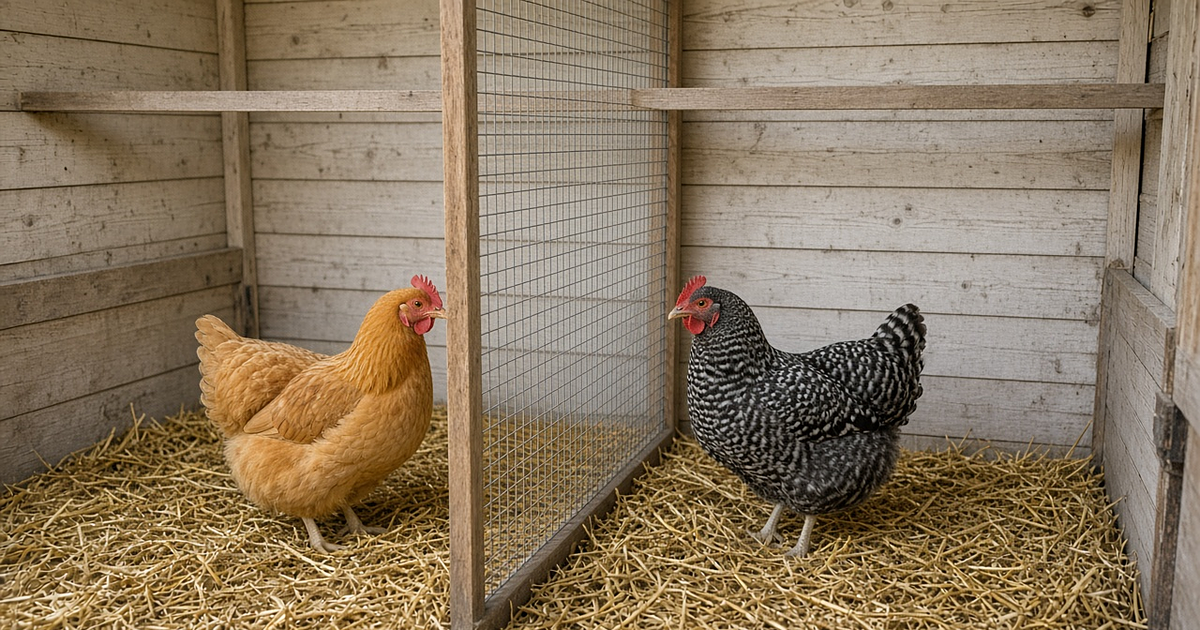
The first step in protecting your chickens is to build a secure coop and run. This will provide a safe place for your birds to roost at night and keep them contained during the day. Make sure your coop is made of sturdy materials, has a strong roof and doors, and is elevated off the ground to prevent predators from digging underneath.
Your run should be completely enclosed with sturdy wire mesh fencing that is buried at least a foot underground to prevent digging. Consider adding a roof or overhead netting to keep aerial predators like hawks and owls from swooping in.
Use predator-proof fencing
In addition to building a secure coop and run, you may need to install predator-proof fencing around your property to keep predators out. This can include electric fencing, which gives a harmless shock to predators who touch it, or mesh fencing that is specifically designed to keep predators out.
Provide adequate lighting
Predators are less likely to attack your chickens if there is adequate lighting around their coop and run. Consider installing motion-activated lights or setting up a solar-powered light to keep predators at bay.
Keep your chickens locked up at night
Chickens are most vulnerable to predators at night when they are sleeping. Make sure your chickens are locked up securely in their coop at night to keep them safe.
Remove food and water sources at night
Predators are attracted to food and water sources, so it’s important to remove these from your chicken area at night. This will help deter predators from coming near your coop.
Use predator deterrents
There are several predator deterrents you can use to keep predators away from your chickens. One option is to use motion-activated sprinklers that will spray water at predators when they get too close. Another option is to use predator calls, like a recording of a barking dog or a predator alarm, to scare off predators.
Keep your property clean and tidy
Predators are attracted to messy areas where they can hide and find shelter. Keep your property clean and tidy by removing debris, trimming back bushes and trees, and keeping your grass mowed.
Get a livestock guardian dog
A livestock guardian dog can be a great addition to your flock as they are trained to protect livestock from predators. They are typically larger breeds like Great Pyrenees or Anatolian Shepherds, and they will actively patrol your property to keep predators at bay.
In conclusion, predators are a real threat to your backyard chickens, but there are several steps you can take to protect your flock. By building a secure coop and run, using predator-proof fencing, providing adequate lighting, keeping your chickens locked up at night, removing food and water sources, using predator deterrents, keeping your property clean and tidy, and getting a livestock guardian dog, you can keep your chickens safe and happy.

Leave a Reply