
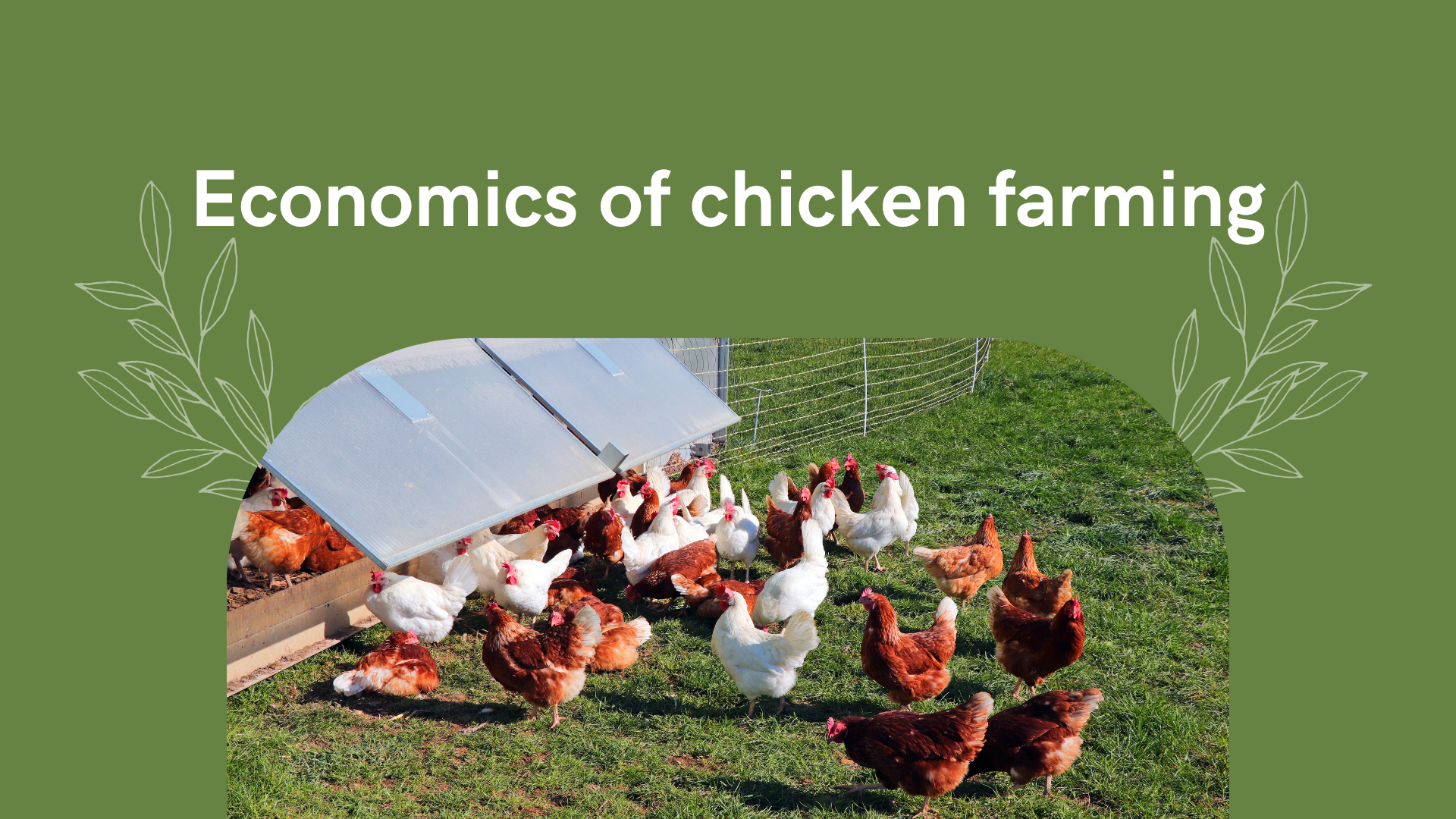
Hello there! Today we’re going to talk about the economics of chicken farming, which is a topic that’s both interesting and important. If you’re considering starting your own chicken farm, or you’re simply curious about the economics of this industry, then this is the blog for you. Let’s get started!
The Basics of Chicken Farming
First things first, let’s talk about what chicken farming actually entails. At its most basic level, chicken farming involves raising chickens for their meat and eggs. This can be done on a small scale, with just a few chickens in a backyard coop, or on a large scale, with thousands of chickens in a commercial poultry house.
One of the reasons that chicken farming is so popular is that it’s relatively easy to get started. Chickens don’t require a lot of space, and they’re not particularly picky about their food. Additionally, they mature quickly, which means that you can start making a profit relatively quickly.
The Costs of Chicken Farming
Like any business, chicken farming comes with its fair share of costs. There are a few main expenses that you’ll need to consider if you’re thinking about starting a chicken farm:
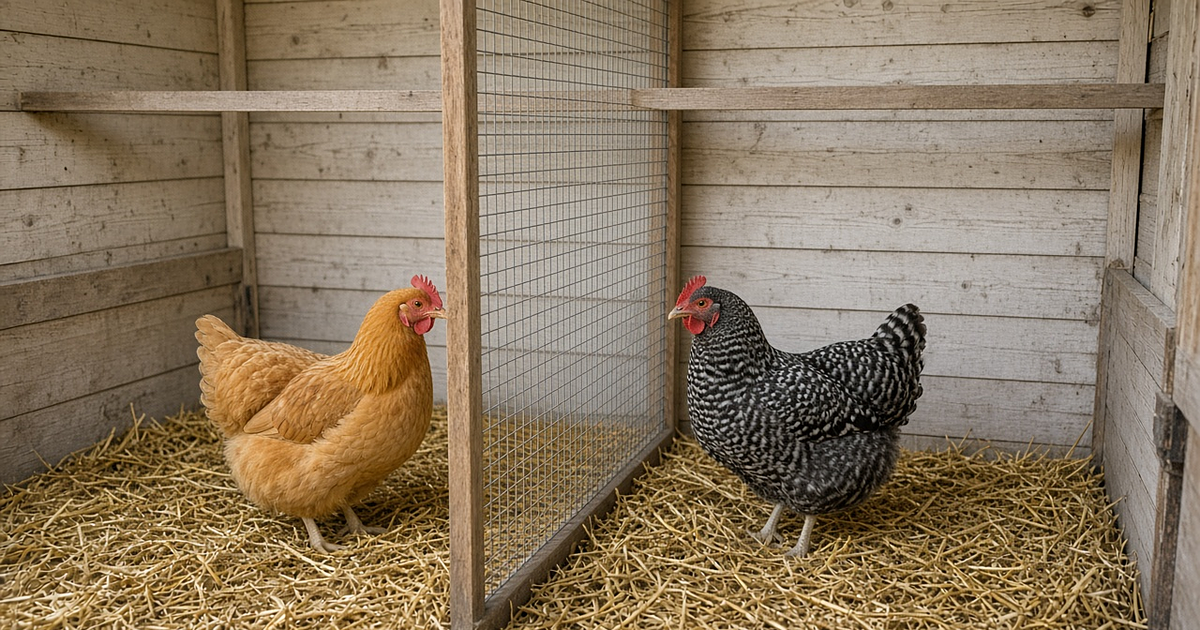
- Housing: Chickens need a place to live, and that place needs to be safe, clean, and comfortable. Depending on the size of your operation, you might need to invest in a large poultry house, which can be expensive.
- Feed: Chickens eat a lot of food, and that food can be costly. You’ll need to budget for feed, as well as for the equipment needed to store and distribute it.
- Labor: Even if you’re starting with just a few chickens, you’ll still need to spend time taking care of them. As your operation grows, you might need to hire additional staff to help with the work.
- Veterinary Care: Chickens, like any other animal, can get sick. You’ll need to budget for veterinary care and medication to keep your birds healthy.
The Benefits of Chicken Farming
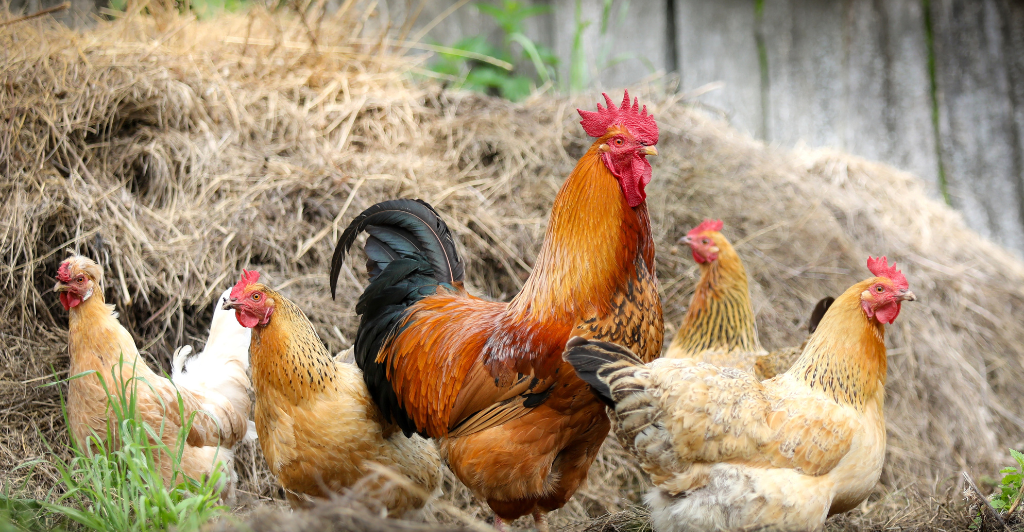
Despite the costs, there are many benefits to chicken farming. For one thing, chickens are incredibly productive. Depending on the breed, a single chicken can lay up to 300 eggs per year. This means that even a small flock can produce a significant amount of eggs.
In addition to the eggs, chickens are also a great source of meat. Chicken is one of the most popular meats in the world, and there’s a high demand for it. This means that if you’re able to produce high-quality chicken meat, you should be able to find buyers relatively easily.
The Economics of Chicken Farming
So, how do all of these factors come together to create a profitable chicken farming operation? Let’s take a look at some of the numbers:
- Income: The primary source of income for a chicken farm will be the sale of eggs and/or meat. The exact amount of money you can make will depend on a number of factors, including the size of your operation, the quality of your product, and the demand in your area.
- Expenses: As we mentioned earlier, there are a number of expenses associated with chicken farming. The exact amount you’ll spend will depend on the size of your operation and the quality of the facilities and equipment you use.
- Profit: If your income is greater than your expenses, then you’re making a profit. Of course, it’s not always that simple. There are a number of factors that can impact your profitability, including market fluctuations, disease outbreaks, and weather-related events.
Tips for Running a Successful Chicken Farm
If you’re interested in starting a chicken farm, or you’re looking to improve your existing operation, here are a few tips to keep in mind:
- Focus on Quality: Whether you’re selling
eggs or meat, the quality of your product will be key to your success. Make sure that you’re providing your chickens with high-quality feed and a clean, safe living environment. Additionally, take care to handle your product properly, from packaging to transportation.
- Manage Costs: As we mentioned earlier, there are a number of expenses associated with chicken farming. To maximize your profitability, you’ll need to keep a close eye on your costs. Look for ways to save money without sacrificing the health or well-being of your chickens.
- Stay Informed: The world of chicken farming is constantly evolving. Make sure that you stay up-to-date on the latest industry trends, including new technologies and best practices. Attend conferences, read industry publications, and connect with other farmers to learn from their experiences.
- Plan Ahead: To be successful in chicken farming, you’ll need to think ahead. Plan for contingencies, such as disease outbreaks or weather-related events, and have a strategy in place to deal with them. Additionally, think about how you can expand your operation in the future, whether by increasing your flock size or diversifying your product offerings.
In conclusion, chicken farming can be a profitable and rewarding business for those who are willing to put in the work. By focusing on quality, managing costs, staying informed, and planning ahead, you can create a successful chicken farming operation that provides high-quality eggs and meat to your customers.
While there are certainly challenges associated with chicken farming, there are also many benefits. From the satisfaction of providing a high-quality product to the financial rewards of running a successful business, there are many reasons to consider chicken farming as a viable career option. So if you’re interested in this industry, don’t hesitate to dive in and start learning more today!



Leave a Reply