
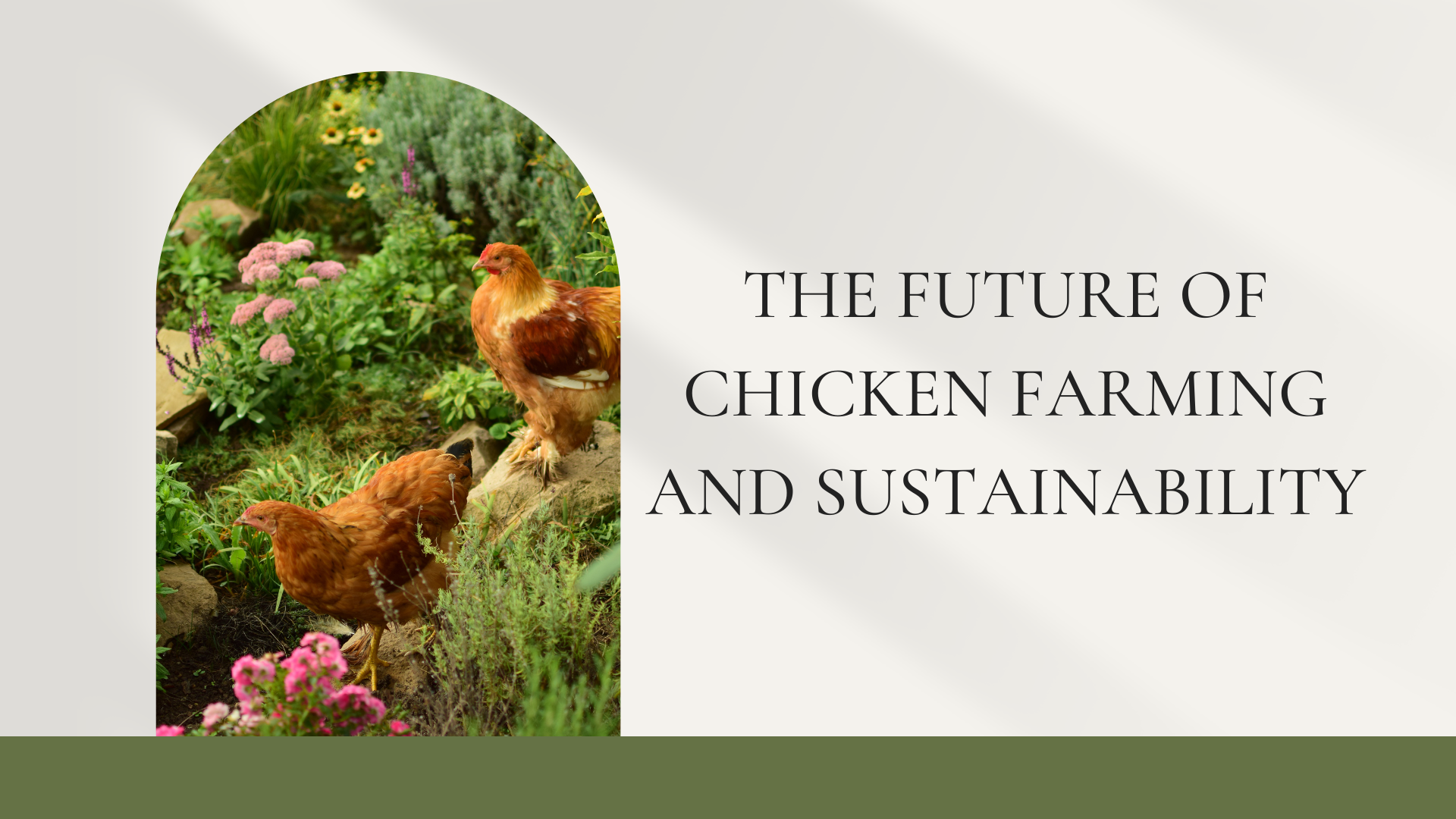
Hey there! Welcome to my blog, where we’re going to talk about the future of chicken farming and sustainability. If you’re a fan of chicken, you might be interested in knowing more about how your favorite poultry is produced and how the industry is evolving to meet growing sustainability demands.
It’s no secret that the food industry has a massive impact on the environment, and chicken farming is no exception. However, there are some exciting developments happening in the industry that could lead to a more sustainable future. Let’s dive into the future of chicken farming and sustainability together, shall we?
The current state of chicken farming
Before we dive into the future, let’s take a quick look at the current state of chicken farming. As you probably know, chickens are raised in large-scale operations, which can have a significant impact on the environment. The chickens are housed in cramped, often unsanitary conditions and fed a diet of corn and soybeans, which are often grown with pesticides and fertilizers that can harm the environment.
Furthermore, the waste produced by these large-scale operations can pollute nearby water sources and contribute to greenhouse gas emissions. In short, the current state of chicken farming is not very sustainable.
The future of chicken farming
Thankfully, there are some exciting developments happening in the industry that could lead to a more sustainable future. Here are just a few examples:
Vertical farming
Vertical farming is an emerging agricultural technique that involves growing crops in stacked layers, typically in a controlled environment. While most people associate vertical farming with vegetables, it has the potential to revolutionize the chicken industry as well.
Imagine a vertical farm where chickens are raised in stacked layers, with each layer providing them with the space and resources they need to thrive. Because the environment is controlled, there’s no need for pesticides or fertilizers, and waste can be easily managed.
Alternative feed sources
As I mentioned earlier, chickens are typically fed a diet of corn and soybeans. However, there are some exciting developments happening in the world of alternative feed sources. For example, researchers are exploring the potential of using insects as a protein source for chickens.
Not only are insects more sustainable to produce than traditional feed sources, but they’re also a more natural food source for chickens. Plus, research has shown that chickens fed an insect-based diet are just as healthy as those fed a traditional diet.
Improving animal welfare
Another area where the chicken industry is making strides is animal welfare. Consumers are increasingly concerned about how the animals they eat are treated, and the industry is responding by improving living conditions and reducing stress for chickens.
For example, some farms are implementing natural lighting systems that mimic the natural cycle of the sun, which can help reduce stress levels in chickens. Others are providing more space and access to the outdoors, which can improve the overall welfare of the birds.
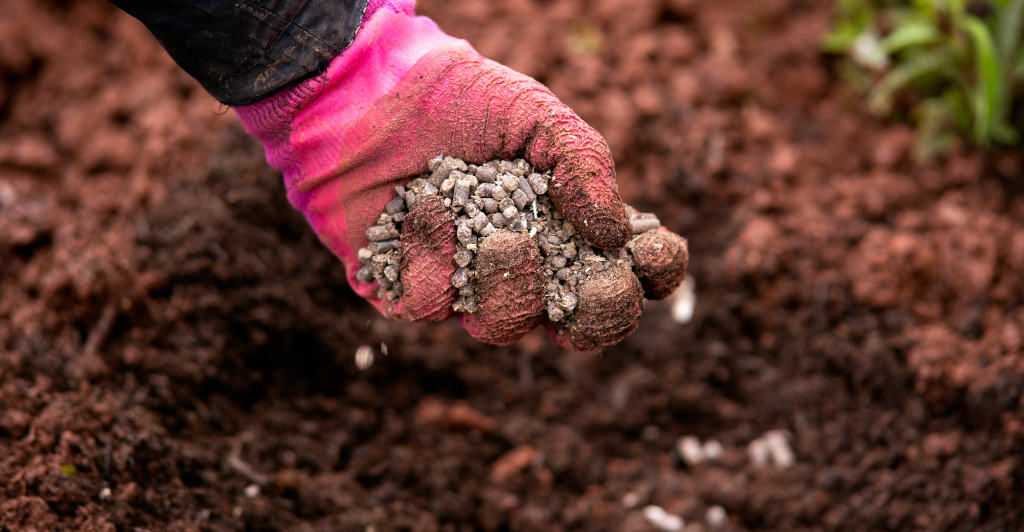
The benefits of sustainable chicken farming
So, what are the benefits of sustainable chicken farming? Here are just a few:
Reduced environmental impact
By implementing sustainable practices like vertical farming and alternative feed sources, the chicken industry can significantly reduce its environmental impact. These practices can reduce greenhouse gas emissions, water usage, and waste production, making the industry more sustainable in the long term.
Improved animal welfare
As mentioned earlier, sustainable practices can lead to improved animal welfare. This is not only important from an ethical perspective, but it can also lead to healthier birds and better-tasting chicken for consumers.
Healthier food
Finally, sustainable chicken farming can lead to healthier food for consumers. Chickens fed an insect-based diet, for example, are likely to have a more diverse and nutritious diet than those fed a traditional diet of corn and soybeans. This can lead to healthier, more flavorful chicken for consumers.
In conclusion
Overall, the future of chicken farming and sustainability is looking bright. As consumers become more aware of the impact their food choices have on the environment and animal welfare, the industry is responding with innovative and sustainable solutions.
While there’s still a long way to go, the developments we’ve discussed today show that there’s hope for a more sustainable future. By implementing practices like vertical farming, alternative feed sources, and improving animal welfare, the chicken industry can significantly reduce its environmental impact while producing healthier and more flavorful chicken for consumers.
As individuals, we can also play a role in promoting sustainable chicken farming by choosing to buy products that are produced using these sustainable practices. By doing so, we can support a more sustainable future for both the chicken industry and the environment as a whole.
So, let’s all work together to create a more sustainable future for chicken farming. The chickens (and the planet) will thank us for it!
Leave a Reply